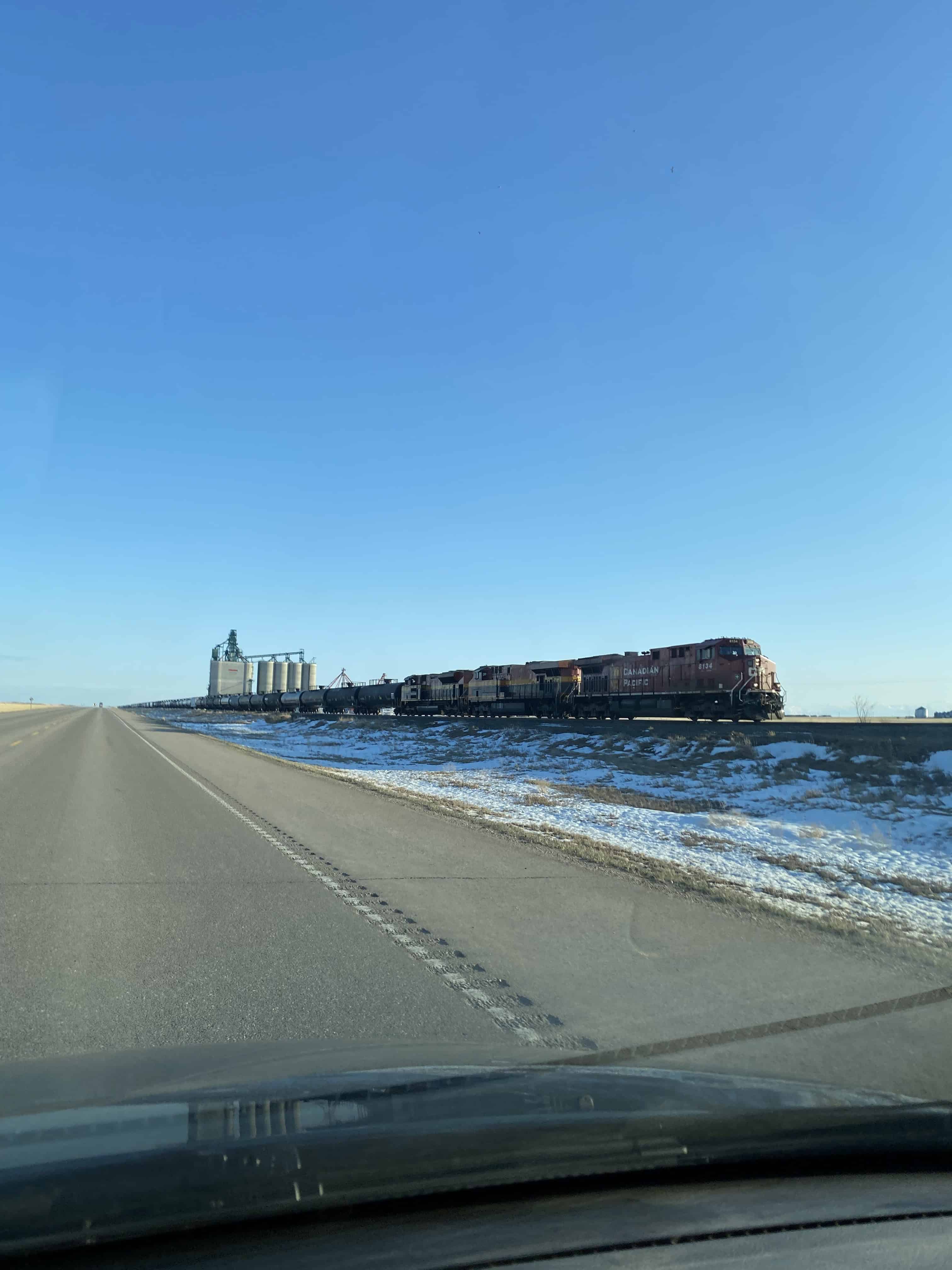
Rail Throughput Records Mask Persistent Car Shortfall as CN Contract Clock Ticks Down
Canada’s two major railways posted record April grain volumes — CN at 3.2 million metric tonnes and CPKC at 2.9 million metric tonnes — but the throughput headline obscures a supply problem producers are living with at the elevator door. Hopper car fulfillment has remained below the 90% performance threshold for fourteen consecutive weeks, with CN and CPKC combined delivering only 85% of cars ordered in the week ending May 4, according to Ag Transport Coalition data. At CPKC alone, fulfillment sat at 81%.
Labour conditions across the corridor are stable. Both railways are operating under arbitrated collective agreements through at least the end of 2026, and west coast longshore workers at Vancouver and Prince Rupert are covered by a ratified BCMEA–ILWU agreement running to March 2027. No active labour dispute threatens grain movement at this time.
Ocean freight markets have tightened materially. The Baltic Panamax Index — the most relevant benchmark for Canadian grain export routes — reached 2,135 points on May 6, with average daily Panamax earnings of $19,216, up from $17,638 the week of April 28. Rising ocean freight costs feed directly into the basis producers receive at country elevators.
CN’s arbitrated agreement with the Teamsters Canada Rail Conference expires December 31, 2026 — a new bargaining cycle begins within months.
Part B examines what record tonnage numbers alongside a persistent car shortfall mean for producers moving grain through the May-June pre-harvest window, and what the approaching CN contract horizon means for the 2026-27 crop year.